The Garage Door Problem Caused by More Than One Thing
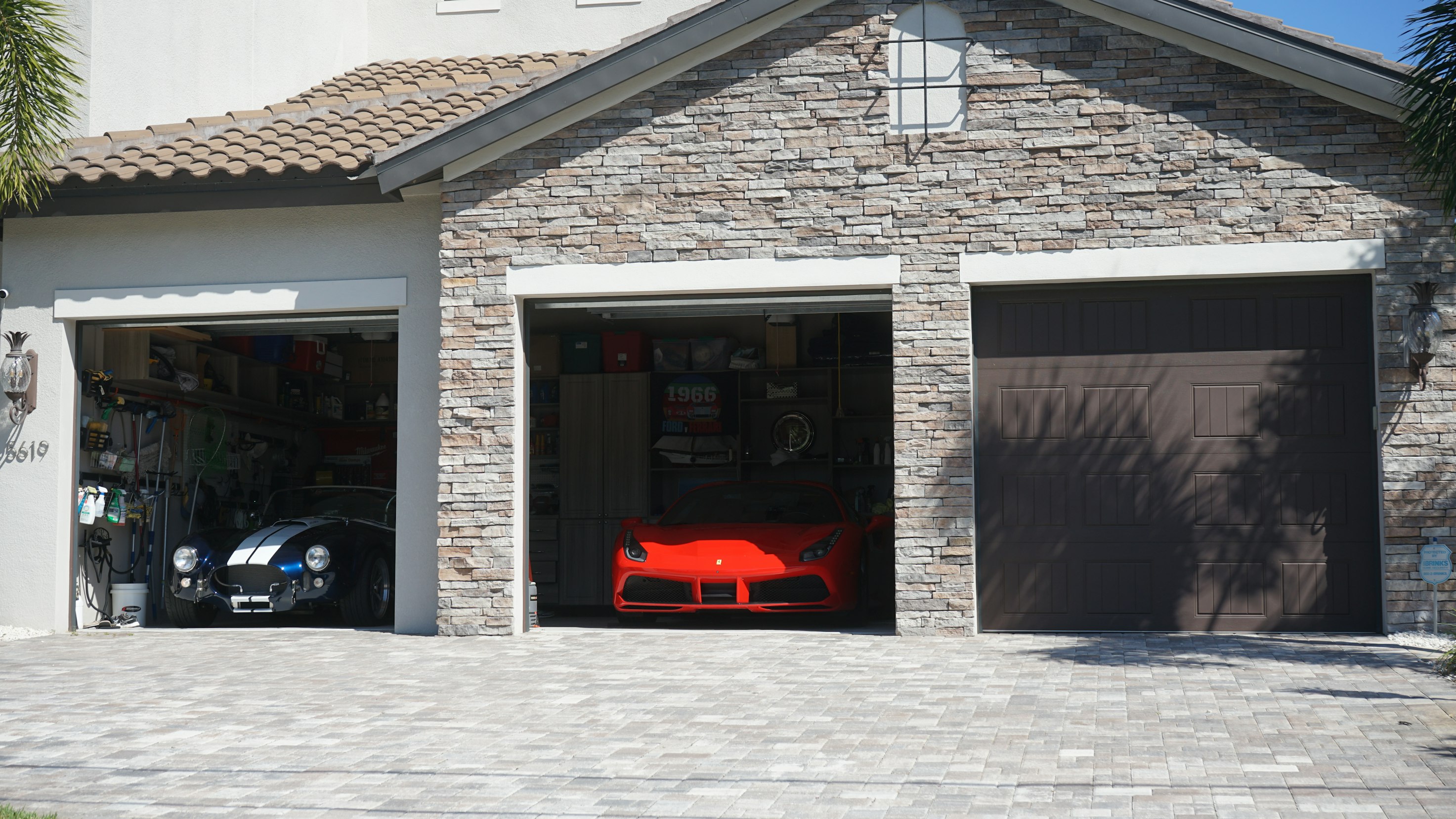
A Frequent Garage Door Issue That Arises From Multiple Causes.
A garage door that goes up partway and then drops back down is one of the most common problems homeowners run into. It feels random, but it almost never is. Your garage door has built-in safety features designed to stop the door if something is wrong. When the door reverses on its own, one of those safety systems has decided the door should not keep moving. The good news is that most causes are easy to find and fix. The bad news is that there are several different causes, and you have to check them one at a time. This guide walks through them in the order click here a professional garage door technician would check them, so you can save a service call if the fix is simple.
Begin by Inspecting the Photo Eye Sensors
The first thing to check is the photo eye sensors. These are the two small black boxes mounted on each side of the garage door, near the floor. One sends an invisible beam to the other. If anything blocks that beam while the door is moving, the door will reverse to keep from crushing whatever it sees. Walk over and look at both sensors. They should be lined up perfectly with each other. Most sensors have a small green or red light on them. Green usually means they are working. Red usually means they are blocked or out of alignment. Check for cobwebs, dust, leaves, or anything sitting in front of the lens. Wipe them clean with a soft cloth. If the lights are still red, gently nudge one sensor until both lights turn green. This fix solves about half of all garage door reversal problems.
Inspect the Garage Door Tracks for any Obstructions.
If the sensors appear to be functioning properly, the next thing to inspect is the door’s tracks on each side—those metal rails that guide the rollers up and down. Frequently, a tiny object can become lodged in the track, such as a stone, a child’s toy, or a piece of cardboard from a shipped package. When the door lifts, it strikes the obstruction, and the opener interprets the resulting resistance as an unexpected obstacle, prompting the safety mechanism to reverse the door’s motion. Examine both tracks from top to bottom while the door is fully open and clear away any debris. While you’re at it, look for rollers that may be bent or broken, since damaged rollers can also generate resistance that the opener detects as a problem.
Inspect the Door’s Springs
Above the door, you'll see one or two long metal springs. These are called torsion springs, and they do most of the work of lifting the door. The opener motor really just guides the door. The springs lift it. When a spring is worn out or broken, the door becomes very heavy, and the opener struggles to lift it. After a few feet of struggle, the opener gives up and reverses. To check the springs, look for any obvious gap or break in the coil. A broken spring usually has a clear two-inch gap where the metal snapped. If a spring is broken, do not try to fix it yourself. Torsion springs hold a huge amount of energy and can cause serious injury if handled wrong. This is a job for a trained technician. The repair usually runs between two hundred and four hundred dollars.
Check the Door's Balance Manually
Even if the springs look okay, they might be weakening. Here's a simple test. Pull the red emergency release cord that hangs from the opener rail. This disconnects the door from the motor. Now lift the door by hand. A properly balanced door should feel light. You should be able to lift it with one hand, and it should stay in place when you let go halfway up. If the door feels very heavy, or if it slides back down when you let go, the springs are losing strength. A weak spring is one of the most common reasons a door reverses partway through the lift. Once you've tested, pull the release cord back toward the opener to reconnect it.
The Force Dials on the Back of the Motor
Every garage door opener has two small dials or buttons on the back of the motor housing. One controls the force used to open the door, and one controls the force used to close it. Over time, as parts wear and seasons change, the opener may need slightly more force to do its job. If the force setting is too low, the opener thinks any resistance means it has hit something, so it reverses. The owner's manual for your LiftMaster, Chamberlain, Genie, or Craftsman opener will show you exactly where these settings are. Adjust the open force dial slightly upward, then test the door. Adjust in small steps. Setting the force too high creates a safety risk because the opener will keep pushing even when it shouldn't.
View the Travel Restrictions Configuration
The travel limits tell the opener how far up and how far down the door should go. If these are set wrong, the opener may think the door has gone too far and reverse it. This usually happens after a power outage, a new opener install, or after someone has been working on the door. Like the force settings, the travel limit controls are on the back of the opener motor. Adjusting them is easy if you have the manual. If the door now goes up too far or not far enough, that's a travel limit problem and worth checking even if the door isn't fully reversing.
Cold Weather Can Cause the Same Problem
During the colder months, a rigid, chilly garage door can place additional pressure on the opener. The grease that has aged in the tracks thickens, the rollers lose their smooth rotation, and the door becomes more difficult to raise. Consequently, the opener must exert more effort, reaches its force threshold, and then reverses. If the door only reverses on frosty mornings but operates normally later in the day, this is likely the cause. The solution is to clean the tracks and apply a garage‑door‑specific lubricant to the rollers, copyrights, and springs. Skip WD‑40, which actually strips away grease instead of adding it. Opt for a lithium‑ or silicone‑based spray designed for garage doors.
If Nothing Above Worked Here's What to Do Next
If you've checked the sensors, the tracks, the springs, the force settings, the travel limits, and lubricated the door, and it still reverses, it's time to call a garage door repair contractor. At that point, the problem is usually inside the opener itself — a worn drive gear, a failing capacitor, or a damaged logic board. These repairs need proper tools and parts. A good technician can diagnose and fix most issues in under an hour, and the visit usually costs between one hundred and two hundred dollars before parts.